advanced cosmetic blemish removal
What is ACP?
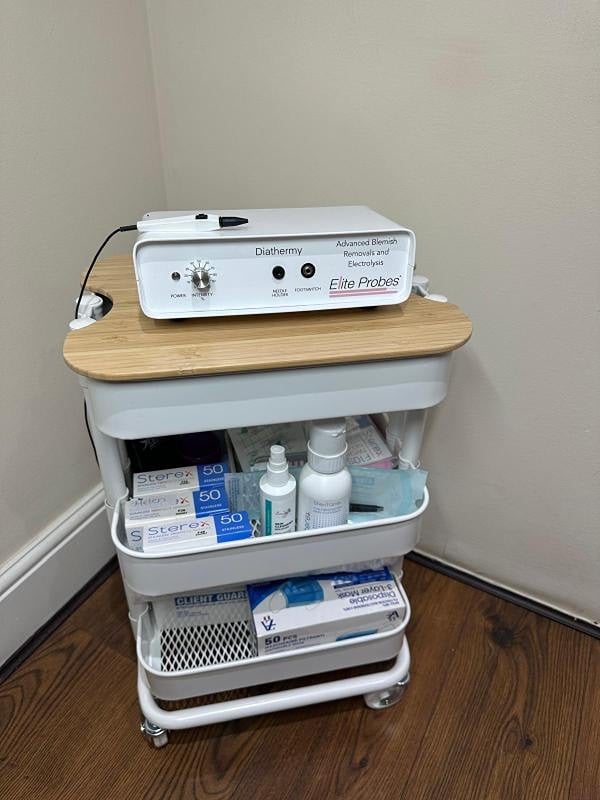
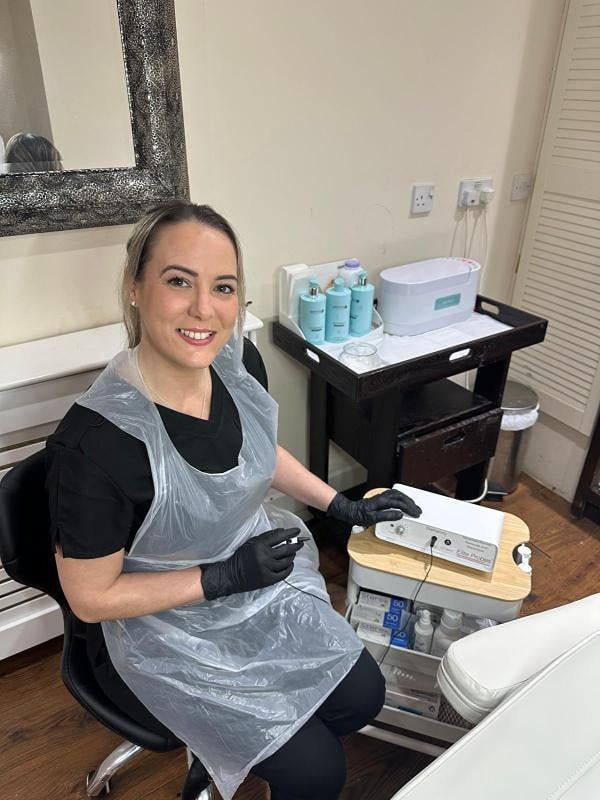
ACP stands for Advanced Cosmetic Procedures, also commonly referred to as Advanced Electrolysis. It is a quick, safe, and effective treatment option for the permanent removal of many common skin blemishes.
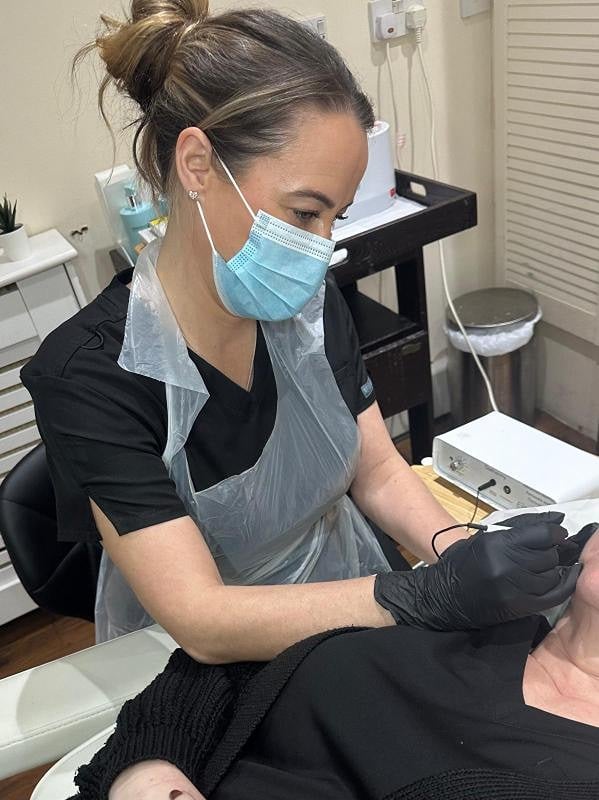
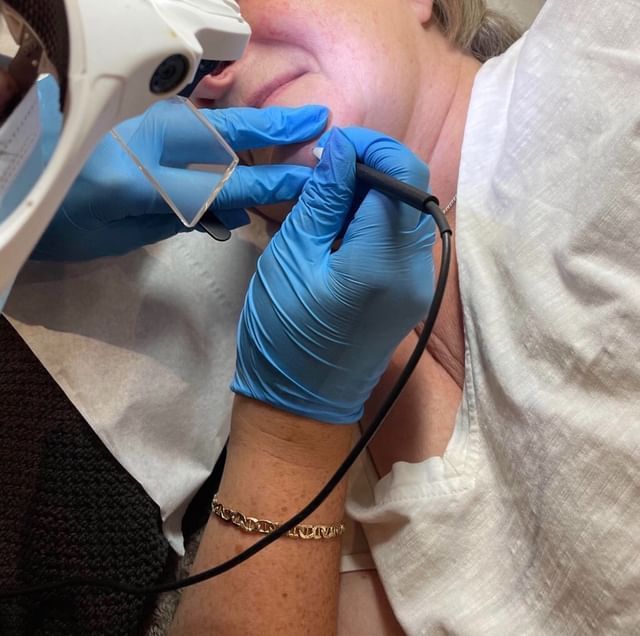
Using advanced electrolysis techniques, a precise electrical current is applied to cauterise and remove unwanted blemishes on the face and body. This treatment targets the blemish directly, allowing it to be safely eliminated with minimal discomfort, little to no downtime, and a very low risk of scarring.
ACP offers a permanent solution for suitable blemishes, helping to restore smoother, clearer, and more even-looking skin.
What Blemishes Can Be Treated?
There are over 20 types of blemishes that can be treated using advanced electrolysis. Some of the most common include:
Warts - From £180
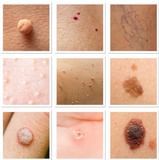
Warts are caused by the HPV virus and usually appear when the immune system is weakened, allowing the virus to spread through personal contact or contaminated surfaces. They are common in children, where habits such as nail biting provide easy access for the virus to enter the skin. There are several types of warts, including:
Common warts are firm, raised growths that are crusty, rough, and cauliflower-like in appearance. They are typically found on the face, hands, fingers, and knees.
Plane warts are small, flesh-coloured, slightly raised, dry, flat-topped warts commonly found on the décolletage and face.
Filiform warts are long and slender warts that can be found on the face and neck.
Plantar warts (verrucae) are found on the feet, commonly on the sole. They tend to be pink or flesh-coloured with a black dot in the centre, which represents small clotted blood vessels.
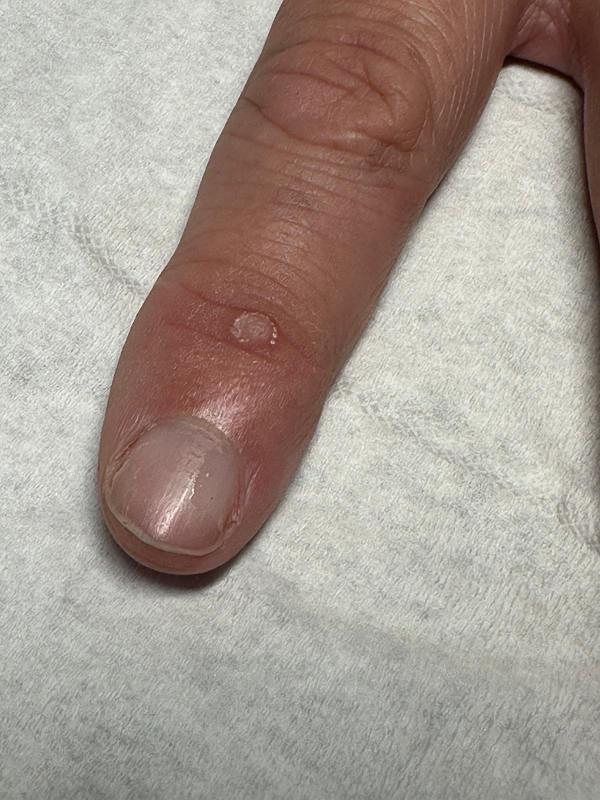
Seborrhoeic Keratosis - from £180
A non-contagious, benign, asymptomatic, non-viral proliferation of epidermal cells primarily caused by ageing. Often referred to as senile warts, seb warts, barnacles, or basal cell papilloma. They are usually flatter than warts but have a similar rough and crusty appearance. More common in mature skin and on the trunk, but may also present on the face. Multiple blemishes are common. Caused by age and friction and will regrow if not fully removed.
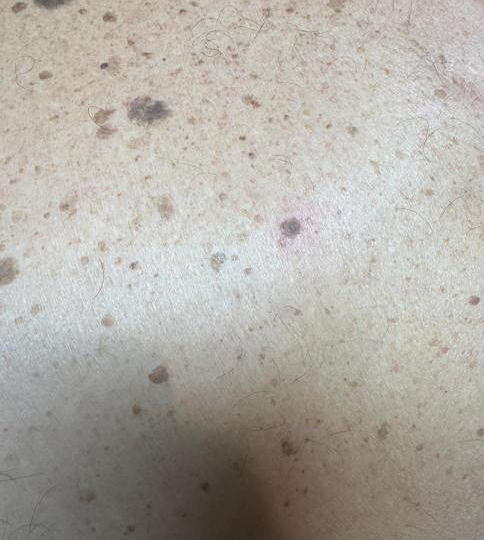
Dermatosis Papulosa Nigra (DPN)
A common condition identical to seborrhoeic keratosis but developing in adolescence and only affecting Fitzpatrick skin types 5 and 6. It is a benign epidermal growth that presents as highly pigmented or skin-coloured papules, typically developing on the face and neck. The cause is unknown. Non-contagious.
Syringoma - from £150
Benign eccrine sweat gland tumours within the acrosyringium which is a duct in the epidermis of the sweat glands and apocrine system. They are identifiable by their comma-like shape and are found in superficial areas of the dermis. Congenital, meaning they have been present since birth. A lack of keratinisation causes small yellowish or skin-coloured lesions commonly found on the lower eyelids and cheeks, though they may rarely appear on the upper lids, chest, and abdomen. The cause is unknown but may relate to overactive sweat glands or hereditary factors, and they are usually found in more oily skin types.
Xanthelasma - from £180
Xanthelasma are soft, yellowish cholesterol deposits that develop around the eyelids, commonly near the inner corners of the eyes. Although harmless. they can become more noticeable over time and are often treated for cosmetic reasons.
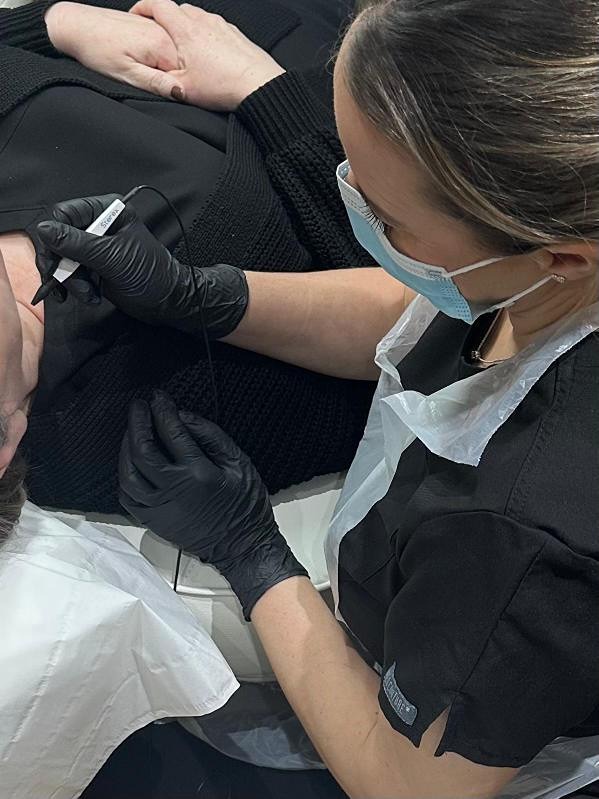
Skin Tags - from £105
Common benign fibrous raised growths found around the eyes, neck, back, underarms, and bikini line. They vary in size and colour; some have stalks, others do not. Causes include friction, ageing, stress, and obesity. Not dangerous but can be a nuisance.
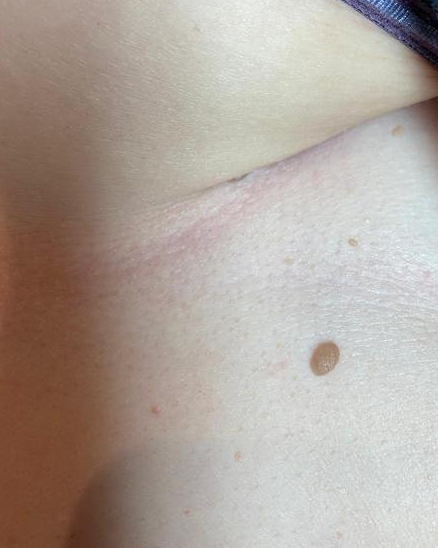
Thread Veins (Telangiectasia) -from £150
A generic term for all red veins. These are broken capillaries or permanently dilated capillaries visible under the skin, commonly found on the face, particularly around the nose and cheeks. Possible causes include hormones, alcohol, skincare products, diet, medication, thin skin, sun exposure, heat, and wind.
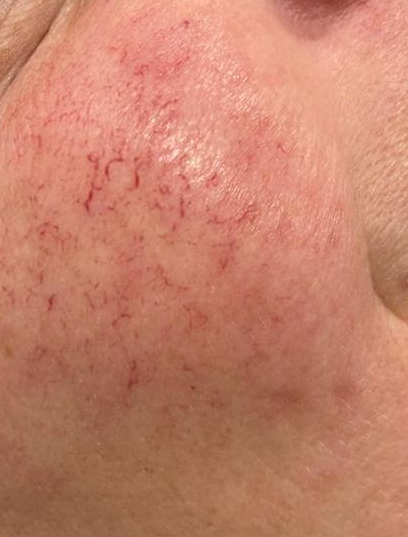
Spider Naevi - from £150
Often caused by trauma or pressure, such as glasses resting on the nose. They present as a central blood spot with fine superficial red veins radiating outwards. Causes include hormonal changes, health concerns such as thyroid or liver issues, medication, fragile skin, and trauma. Usually found on the face and chest.
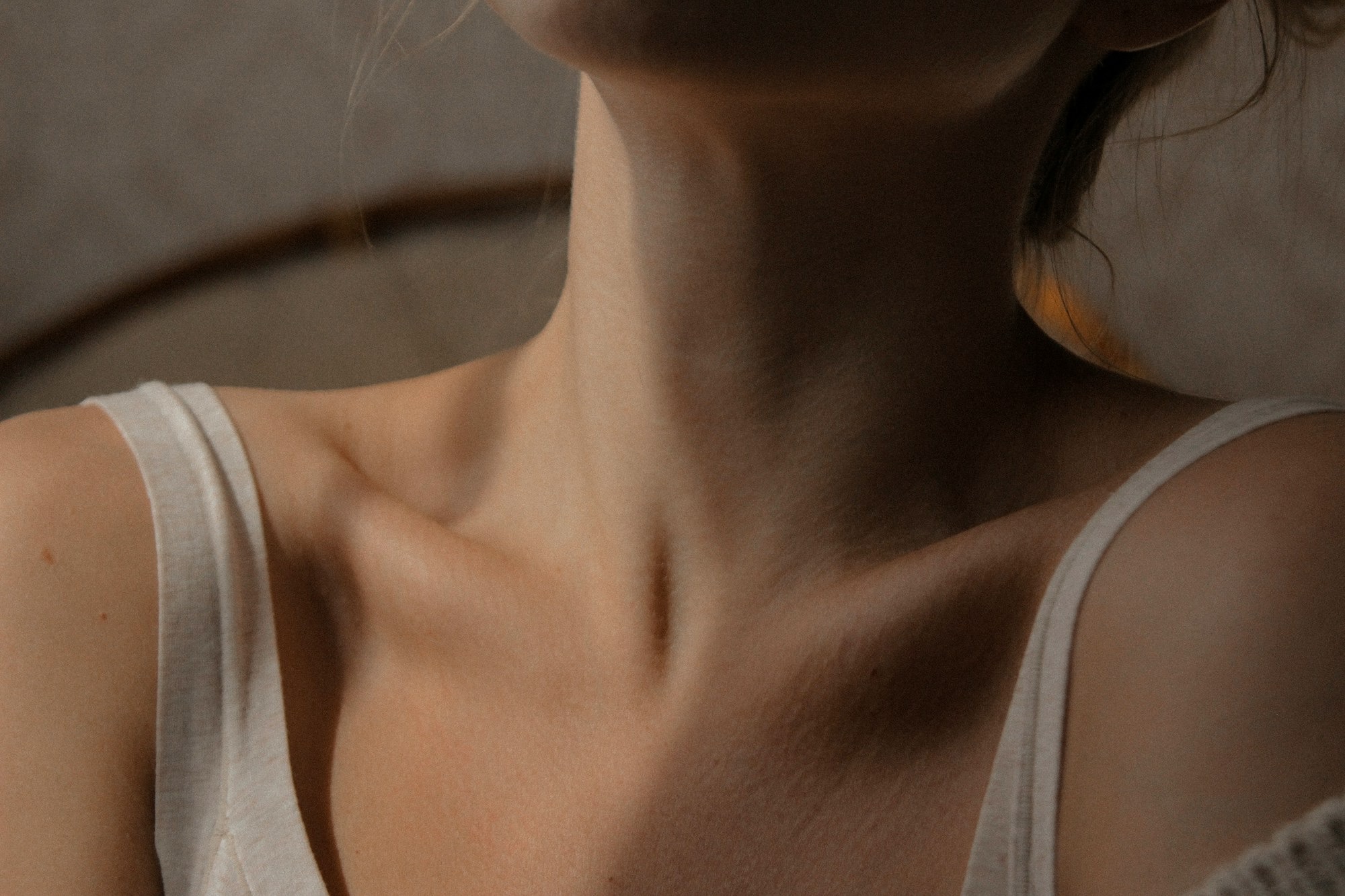
Campbell de Morgan Spots (Cherry Angiomas / Blood Spots) - from £105
Campbell De Morgan spots, also known as cherry angiomas, are small benign red or purple skin lesions caused by an overgrowth of tiny blood vessels (capillaries). They commonly appear on the body with age and may vary in size and number.
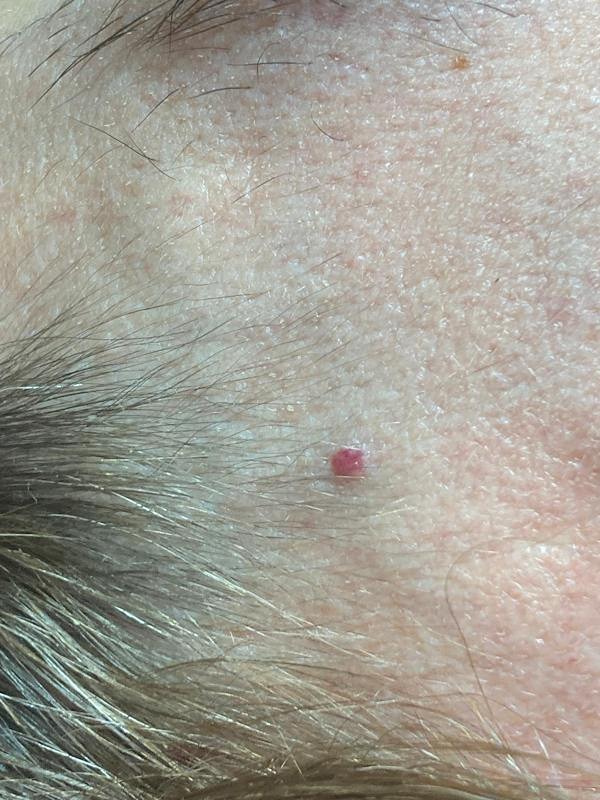
Moles reduction - from £180
Formed from melanocytes, usually benign, and vary in size. They may be flat or raised, and some contain hairs. Commonly found on the face and trunk. Pigment can lie in the skin beneath the mole. Causes include melanocytes growing in clusters, hormonal changes, and sun damage.
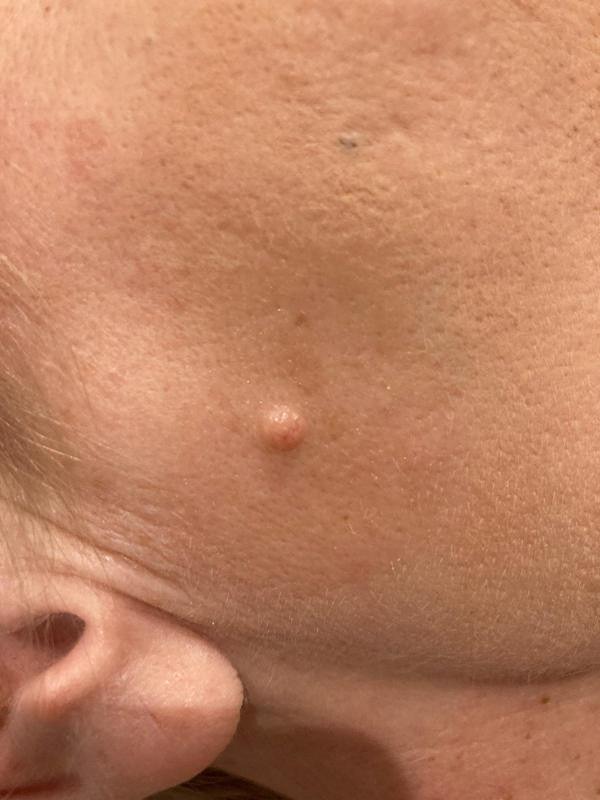
Cysts - from £180
Cysts are sac-like pockets filled with membranous tissue that can contain fluid, air, or other materials. They can grow anywhere in the body under the skin. All cysts are benign and non-contagious. Types include:
Sebaceous cysts are common, non-cancerous cysts usually found on the face, neck, and torso. They can be uncomfortable and may enlarge. Caused by blocked sebaceous glands, misshapen ducts, or a genetic condition such as basal cell naevus syndrome.
Epidermoid cysts are found in the upper dermis and contain keratin and pus, sometimes with an odour. More common in young and middle-aged individuals. Often linked to hair follicle inflammation, injury, or trauma. Not hereditary, though occasionally genetic.
Pilar cysts are filled with keratin and originate from the outer hair root sheath. Commonly found on the scalp, particularly in females, and often appear in multiples. If ruptured, they release a white, cheesy material. Frequently a genetic condition.
Sebaceous Hyperplasia - from £90
A benign condition of the sebaceous glands, typically occurring in middle or older age. Appears as creamy or yellow papules that looks doughnut like. Under magnification, they appear as enlarged mature sebaceous glands surrounding a dilated central sebaceous duct.
Milia - from £90
Benign cysts presenting as hard white bumps caused by keratin trapped in the epidermis. Typically found on the face, particularly in individuals with dry skin. They can vary in size and may be linked to incorrect skincare products, slow desquamation, or stress.
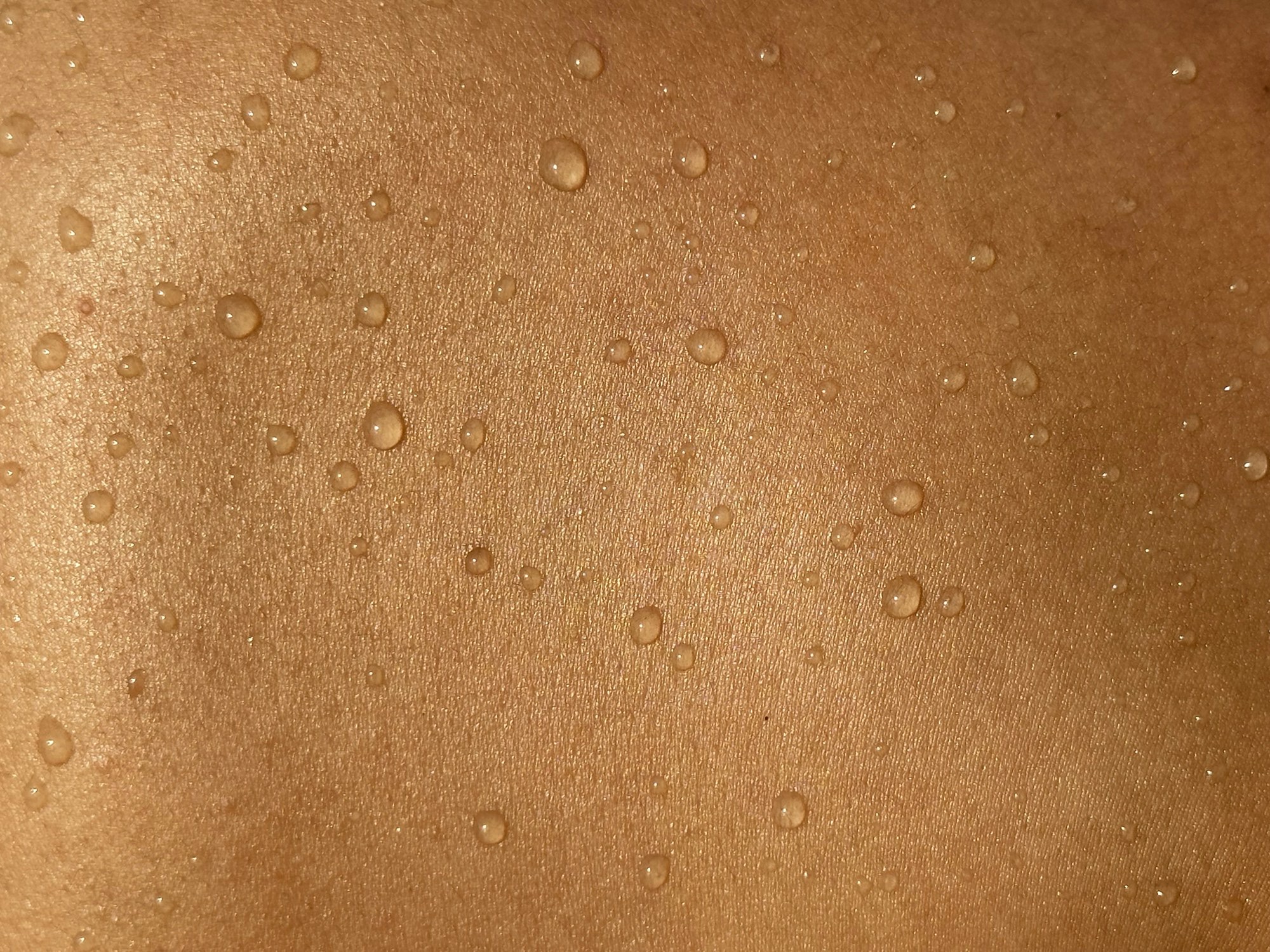
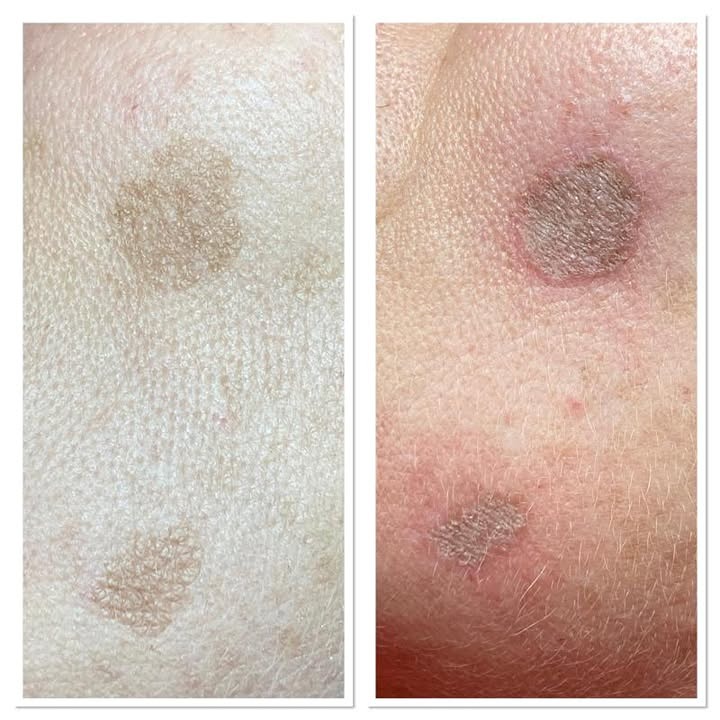
age spots - from £150
Age spots are common skin discolorations caused by sun exposure and aging.
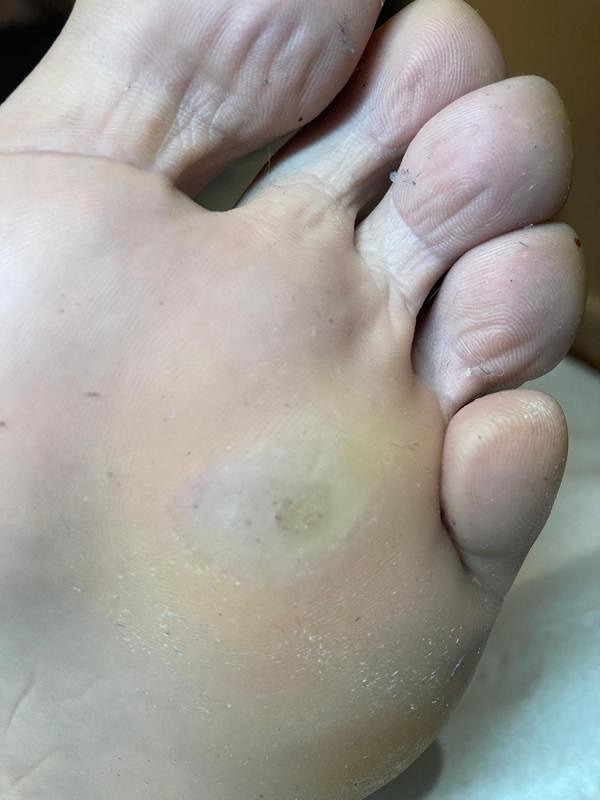
verrucas - from £180
A verruca is a type of wart that usually appears on the soles of the feet and is caused by the human papillomavirus (HPV).
Frequently Asked Questions
can i have this treatment?
Conditions that would mean you were not able to have this treatments:
Pregnant
Breastfeeding
Cancer (all forms)
Undergoing chemotherapy or immune therapy
Immunodeficiency
Lupus
High blood pressure
Diabetes
Prednisone and other steroid medications (treatment will increase inflammation)
Heart problems or diseases
Kidney damage, diseases or problems
Liver damage, diseases or problems
Haemorrhagic disease, trauma or bleeding
Numb or insensitive to heat
Rosacea
Active implanted device such as pacemaker cochlear
Neurological Conditions
Tumours
Over and Under Active Thyroid
Allergies to metal
Collagen
Retin A
Roaccutane
Prosthesis / Silicone Implants
Varicose Veins
How do I change my password?
To change the appearance of a block, such as the way in which it is laid out and the width of its columns, click on the Change Layout button on the block toolbar, to the right of each block. You can show and hide many of the elements that make up a block by clicking Block Settings on the right hand toolbar and going to the Elements tab. In Block Settings you can also change other aspects of how a block looks, including margins, colours, animations and background images.
Where can I edit my address?
You can change the order that blocks appear on your page using the up and down arrow buttons on the right hand toolbar, or you can drag the entire block using your mouse.
How do I track my order?
Click on this text to start editing, and enter your own text with some basic formatting. To create a link to another page or website within this section, select the text you want to make into a link and click on the Link icon on the formatting toolbar. Click anywhere outside the text box when you're done to continue working on the rest of your page.
How do I return an item?
To change the appearance of a block, such as the way in which it is laid out and the width of its columns, click on the Change Layout button on the block toolbar, to the right of each block. You can show and hide many of the elements that make up a block by clicking Block Settings on the right hand toolbar and going to the Elements tab. In Block Settings you can also change other aspects of how a block looks, including margins, colours, animations and background images.